Sheetrock and drywall aren't two different products — one is a brand name. Here's what actually differs, which drywall type belongs in Tampa's humidity, repair cost ranges, and when to DIY vs. call a pro.
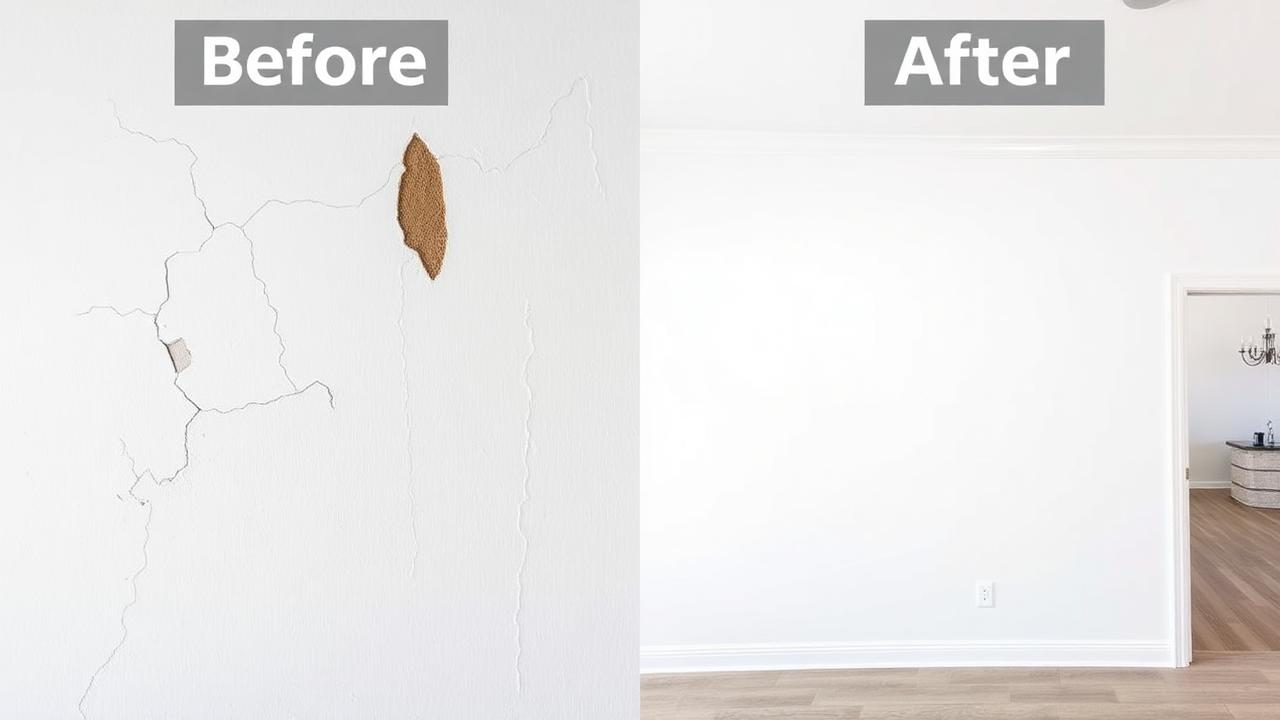
Walk into any hardware store in Tampa and you'll hear the words 'Sheetrock' and 'drywall' used as if they're two different products. A contractor will say one, a YouTube video will say the other, and you're left wondering whether you ordered the wrong material for your repair. Here's the short version that clears it up immediately: they are the same thing. One is a brand name; the other is the generic term.
That said, 'what's the difference' is the right question to ask before a repair or remodel — just not between those two words. The differences that actually affect your home are between the types of drywall, and in a hot, humid, hurricane-prone market like Tampa Bay, choosing the wrong type is a genuine and expensive mistake. This guide covers both: why the brand confusion exists, and the drywall decisions that really matter here.
The Short Answer: Sheetrock Is a Brand of Drywall
Drywall is the generic name for the flat building panel made of a gypsum core sandwiched between two layers of paper. It's also called wallboard, gypsum board, plasterboard, or — in everyday speech — Sheetrock. Sheetrock is a registered trademark owned by United States Gypsum Company (USG), one of the largest drywall manufacturers in the country. It became so dominant that the brand name turned into a generic word, the same way people say Kleenex for tissue, Band-Aid for bandage, or Xerox for photocopy.
So when a Tampa handyman says he's going to 'patch the Sheetrock,' and the supplier sells you a sheet labeled 'drywall,' nothing is wrong — you have exactly the right material. Other major brands you'll see locally include National Gypsum (Gold Bond) and Georgia-Pacific (ToughRock). They're all drywall.
What Drywall Is Actually Made Of
Understanding the construction explains why drywall behaves the way it does in Florida's climate — and why water is its main enemy.
- Gypsum core: a soft, fire-resistant mineral (calcium sulfate) that's pressed and dried into a rigid panel. Gypsum naturally contains water locked into its crystal structure, which is part of why it resists fire — that water turns to steam and slows heat transfer.
- Paper facing: front and back paper layers give the panel strength and a smooth, paintable surface. This paper is also the part that feeds mold when it gets wet — a critical point in Tampa.
- Standard sheet sizes: 4 ft x 8 ft is most common in homes; 4 ft x 12 ft sheets are used to reduce seams on larger walls and ceilings. Thicknesses run 1/4", 3/8", 1/2" (the standard for walls), and 5/8" (common for ceilings and fire-rated assemblies).
The Drywall Types That Actually Matter in Tampa
This is the real 'difference' worth knowing. Not all drywall is the same, and Tampa's humidity, summer storms, and occasional hurricane flooding make the type you choose genuinely important.
Standard drywall (white board)
The default for most interior walls and ceilings — bedrooms, living rooms, hallways, closets. It's the cheapest and works fine anywhere that stays dry. In Tampa, that's most of the house, but specifically not bathrooms, laundry rooms, or any wall that touches plumbing.
Moisture-resistant drywall (green board)
Has a green, water-resistant paper facing. It's the right call for bathrooms, laundry rooms, and kitchens — anywhere with high humidity but not direct water contact. In a Tampa bathroom that runs the AC against steamy showers all year, green board is a smart baseline upgrade over standard white board.
Mold-resistant drywall (purple board)
Uses fiberglass facing instead of paper (or treated paper) plus a moisture-resistant core, so there's far less for mold to feed on. Given how aggressively mold grows in Florida's humidity, purple board is worth the small upcharge in bathrooms, around windows, on the interior side of exterior walls, and anywhere that's been wet before.
Cement board (for tiled wet areas)
Technically not drywall, but it's what belongs behind tile in showers and tub surrounds — not green board. If a previous owner or a budget contractor tiled a Tampa shower directly over regular drywall, it's one of the most common causes of the hidden water damage and mold we find behind shower walls.
Fire-rated drywall (Type X)
Thicker (usually 5/8") with a denser, glass-fiber-reinforced core that slows fire spread. Building codes require it in specific places — between a garage and living space, and in some multi-family walls. If you're remodeling a garage conversion in Tampa, this isn't optional.
The practical Tampa takeaway: standard board for dry living areas, green or purple board for bathrooms and humid rooms, cement board behind tile, and Type X where code requires it. Matching the right board to the room prevents the repeat repairs we see constantly in homes that used standard drywall everywhere.
Why This Distinction Matters for Repairs
When you call for a repair, a good handyman will match the new material to what's already there — and upgrade it where it makes sense. Patching a damp Tampa bathroom wall with the standard white board that was there originally just sets up the same failure again. These are the signs the drywall itself (not just the paint) needs attention:
- Soft or spongy spots — the gypsum core has absorbed water and lost its strength.
- Brown or yellow staining that returns after painting — an active or past leak that needs the source fixed first.
- Visible mold or a musty smell — common on the paper facing in Tampa bathrooms and behind furniture on exterior walls.
- Cracks at the corners of doors and windows — often seasonal movement, but worth a look if they keep reopening.
- Nail pops and seam ridges — usually cosmetic, but a sign the original install or humidity cycling is stressing the panel.
- Bubbling or peeling tape at the seams — moisture getting into the joint compound.
What Drywall Repair Costs in Tampa
Costs vary with the size of the damage, whether texture matching is involved, and whether there's an underlying water issue. As a 2026 Tampa-area guide:
- Small hole or crack patch (doorknob hole, nail pops, hairline cracks): roughly $150–$350 for a professional, including matching the texture and priming.
- Medium repair (a few square feet, water-stained section, anchor blowout): roughly $300–$700 depending on texture and access.
- Large or full-panel replacement (a 4x8 sheet or more, ceiling sections): roughly $600–$1,500+, more if it involves moisture-resistant board or insulation.
- Texture matching (knockdown, orange peel — both very common in Tampa): adds to the labor because feathering and texture blending is the skilled part of a seamless repair.
- Water-damaged drywall: budget for fixing the source (roof, plumbing, or window flashing) first — replacing the board without stopping the water just resets the clock.
For a full breakdown of pricing by repair type and what drives the cost, see our dedicated guide: Drywall Repair Cost in Tampa: 2026 Pricing Guide
DIY vs. Calling a Pro
Small, dry-area patches are reasonable DIY projects — a nail-pop or a doorknob hole in a bedroom wall is a learnable skill, and we have a step-by-step guide for exactly that. Where homeowners get into trouble is texture matching and moisture. Tampa's knockdown and orange-peel textures are genuinely hard to blend invisibly, and any repair in a bathroom, around a window, or where there's been water is usually hiding a second problem behind the wall.
Our rule of thumb: if it's dry, small, and you just need it to look okay, DIY it. If it's in a wet area, larger than a dinner plate, texture-matched, or you suspect mold or a leak, it's worth a professional who will fix the cause, match the finish, and use the right board for the room.
Want to try the small stuff yourself first? This walks through patching a hole the right way: How to Patch Drywall: A Step-by-Step Guide for Homeowners
Why Tampa Homeowners Call Fenelon Handyman Services
We repair drywall across Tampa Bay every week, and we know the local failure patterns — tiled showers built over the wrong board, exterior-wall mold in older block homes, water stains that trace back to a flashing detail, and the knockdown texture that has to be feathered just right to disappear. Every repair we do matches the existing texture and uses moisture- or mold-resistant board wherever the room calls for it, so you're not paying to fix the same wall twice.
Not sure whether your wall needs a quick patch or a real repair? Here are the warning signs to watch for: Signs You Need Drywall Repair in Tampa
Tampa's humidity is hard on drywall — here's how to protect it and catch problems early: Tampa Humidity and Drywall: Repair and Prevention Tips
See our drywall repair service page for scope, texture matching, and what's included: Drywall Repair Services in Tampa
Frequently asked questions
- Is Sheetrock stronger or better than regular drywall?
- No — Sheetrock is regular drywall; it's just USG's brand name. Quality differences come from the type of drywall (standard, moisture-resistant, mold-resistant, fire-rated), not the brand. A name-brand standard panel and a generic standard panel perform essentially the same.
- What kind of drywall should I use in a Tampa bathroom?
- Use moisture-resistant (green board) or, better, mold-resistant (purple board) on the walls and ceiling — never standard white board. Behind tile in a shower or tub surround, use cement board, not drywall of any kind. Tampa's humidity makes this upgrade well worth the small extra cost.
- Can you tile directly over drywall in a shower?
- Not in a wet area. Tile in a Tampa shower or tub surround should go over cement board (or a proper waterproofing system), not drywall. Tile over regular drywall in a shower is one of the most common causes of the hidden mold and rot we find behind Tampa shower walls.
- How can I tell if my drywall is water-damaged?
- Look for soft or spongy spots, brown or yellow staining (especially stains that reappear after painting), a musty smell, bubbling tape at the seams, or visible mold. Any of these usually means water is getting in from somewhere — fix the source before replacing the board.
- What's the thickest drywall and where is it required?
- 5/8" Type X (fire-rated) is the standard thicker board. In Tampa it's required by code between a garage and living space and in certain shared walls. 1/2" is the standard for most interior walls, and 5/8" is also commonly used on ceilings to resist sagging.
- Do you match the existing wall texture when you repair drywall?
- Yes. Most Tampa homes have knockdown or orange-peel texture, and matching it is the skilled part of a seamless repair. We feather and texture the patch so it blends into the surrounding wall before priming and painting.
Got a drywall hole, crack, water stain, or mold spot in your Tampa home? Get a free quote — call or text (786) 509-5555 for same-week service. Get a free drywall repair quote.
Drywall Repair in Tampa, FL
Done-for-you by an insured local crew — free quotes, same-week scheduling.
Need a hand with this in Tampa?
Get a free quote from a 4.8★ local crew. We answer fast and show up on time.
We handle this kind of work across Tampa Bay — including handyman service in Carrollwood, handyman service in Brandon, handyman service in Lutz and handyman service in Town 'N' Country. See all service areas.