Yes, you can tile over existing tile if the old tile is sound, flat, and well-bonded. Here is how to check, prep, and do it right in a Tampa home.
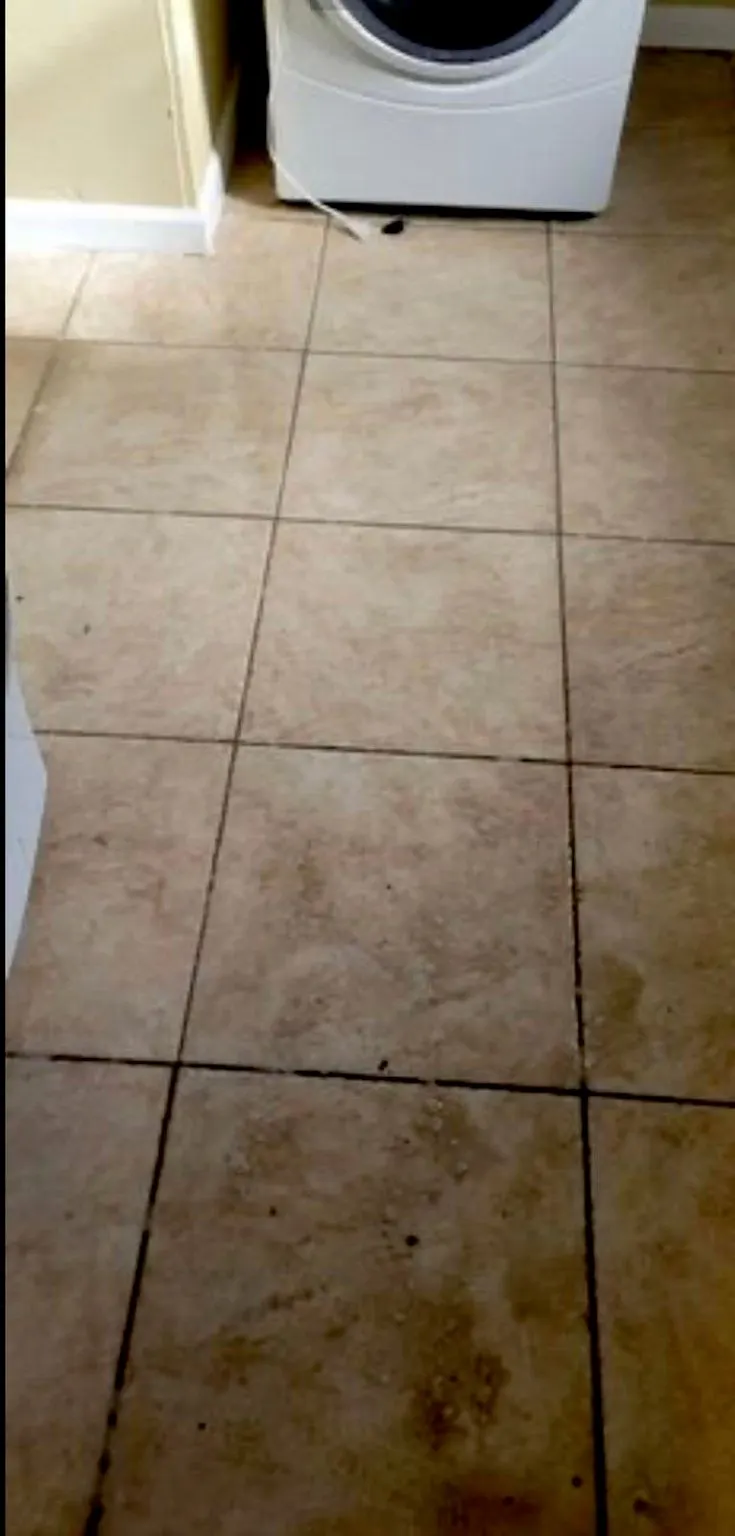
If you are staring at a dated tile floor or a tired bathroom wall and dreading the demolition, you have probably wondered whether you can just tile right over what is already there. The short answer is yes, often you can - but only when the existing tile is sound, flat, and firmly bonded to the surface below it. Get those conditions right and you skip the dust, the dumpster, and a long weekend of swinging a hammer. Get them wrong and you bury a problem that will crack your brand new tile within a year.
This guide walks through how to decide if your tile is a good candidate, how to prep it so the new layer actually sticks, and the specific situations - several of them common in Tampa Bay homes - where tiling over tile is the wrong move.
Can You Really Tile Over Existing Tile?
Tile-over-tile is a legitimate, code-acceptable method when the substrate is solid. The new tile does not care that there is old tile underneath as long as that old tile behaves like a rigid, stable base. The job of the existing layer becomes the same as a cement board or a clean slab: hold still and stay put. The whole question, then, comes down to whether your old tile is genuinely well-bonded or just looks like it is.
This works on both floors and walls, but the considerations differ. On floors you have to think about added weight and height. On walls - especially in a shower or tub surround - you have to think about whether moisture has already gotten behind the old tile. We will hit both.
When Tiling Over Tile Makes Sense
There are real reasons homeowners choose this route, and they are not just laziness:
- You skip demolition entirely - no jackhammering tile off a concrete slab, which on a Tampa slab-on-grade floor is genuinely back-breaking and dusty work.
- You avoid damaging the substrate. Prying old tile off drywall or off a slab often takes chunks of the surface with it, creating more repair work.
- It is faster and cleaner, with far less debris to haul away.
- On a slab, you sidestep the risk of cracking or gouging the concrete during removal.
If your old tile is in good structural shape and you simply hate the look, tiling over it can be the smart, efficient choice.
How to Check If Your Tile Is a Good Candidate
Before you buy a single box of new tile, inspect the old surface carefully. You are looking for three things: a solid bond, a flat plane, and no hidden moisture. Here is how to test, step by step.
- 1. Tap test for hollow spots. Lightly tap across the whole surface with your knuckle or the handle of a screwdriver. A solid, well-bonded tile gives a sharp, dense sound. A hollow or drummy sound means the tile has lost its bond underneath - that tile is loose even if it looks fine.
- 2. Check for loose, lifting, or cracked tiles. Press on each one and look at the corners and edges. Any tile that rocks, lifts, or is cracked has to be dealt with, not covered.
- 3. Look at the grout lines. Crumbling, missing, or widely cracked grout can be a sign the floor or wall below is flexing or that water has been getting in.
- 4. Check for flatness. Lay a long straight edge or level across the surface in several directions. Big dips, lippage between tiles, or a noticeable slope all need correcting before new tile goes down.
- 5. Rule out moisture. In a bathroom, look for soft spots, dark grout, a musty smell, or any give in the wall behind a tub surround. Moisture behind tile is a hard stop - more on that below.
Any tile that sounds hollow, rocks, or is cracked needs to come out. Chip it free, clean out the cavity, re-set a tile or fill the void so the patch sits flush, and let it cure. You are not aiming for pretty here - you are aiming for a continuous, solid plane. A few bad tiles do not disqualify the whole floor; an unstable substrate does.
Prepping the Old Tile So New Tile Bonds
Glazed tile is smooth and slick by design, which is exactly what thinset mortar does not want to grab. Prep is the difference between a floor that lasts decades and one that pops loose. Do not skip it.
Clean and Degrease
Years of soap scum, cooking grease, mop residue, and Florida humidity leave a film on tile. Scrub the whole surface with a strong degreasing cleaner, rinse, and let it dry completely. Thinset will not bond to a greasy or dusty surface, period.
Scuff-Sand the Glossy Surface
To give the mortar something to bite into, abrade the glaze. Sand the surface with a coarse grit or run a diamond cup wheel lightly over it so the shine is knocked down to a dull, slightly rough texture. Wear a respirator and eye protection - tile dust is no joke. Vacuum and wipe down afterward so no grit is left behind.
Flatten and Fill the Grout Lines
Deep grout joints leave the new tile poorly supported and can telegraph through. Skim deep lines and any low spots with thinset or a flattening compound and let it cure so you start with a flat, even base.
Use the Right Thinset or Primer
Standard thinset is not made to bond tile to a glazed surface. Use a high-performance modified thinset that is specifically rated for tile-over-tile or non-absorbent surfaces, or apply a bonding primer made for slick substrates first. Read the bag - the rating matters more than the brand. This single choice is where most failed tile-over-tile jobs go wrong.
When You Should NOT Tile Over Tile
Some situations make tiling over tile a mistake no matter how good your prep is. Walk away if any of these apply:
- The substrate is cracked or moving. If the slab below is cracked, or a wall flexes, that movement will travel straight up through the new tile and crack it too. A new layer does not fix a moving base.
- There is a moisture problem. Water behind a tub or shower wall, or rising moisture in a bathroom, means mold and rot are already at work. Covering it traps the problem and makes the eventual repair far worse. Fix the source first.
- Added height causes clearance issues. Tiling over tile raises the surface by the thickness of the tile plus mortar - often a half inch or more.
- Floor weight is a concern. New tile and mortar add real weight. On a solid Tampa slab this is rarely an issue, but over a wood subfloor or on a second story it can be.
That height increase deserves a closer look before you commit. Raising a floor by half an inch or more can stop a door from swinging, leave a dishwasher or range trapped under the counter, create an awkward step at thresholds and transitions to other rooms, and throw off how a toilet flange sits. Measure your clearances first. Sometimes the math kills the idea, and that is better to learn now than after the tile is set.
The Tampa Angle: Slabs, Humidity, and Bathrooms
Most homes around Tampa Bay sit on a concrete slab, which is actually good news for tiling over tile floors - a solid slab is a rigid, stable base and rarely flexes. That stability is exactly what the method needs. The catch is what we cannot see: slabs can wick ground moisture, and our year-round humidity keeps surfaces damp longer than in drier climates.
Bathrooms are where this gets serious. In older block homes around Seminole Heights, Temple Terrace, and similar neighborhoods, decades of showers and Florida humidity often mean water has already found its way behind a tub surround. If you tile over a wall that has hidden moisture, you are sealing rot and mold inside the wall. Always confirm the area is dry and sound before adding a new layer. When in doubt in a wet area, opening it up to inspect beats covering it and hoping.
When to Call a Pro
Plenty of homeowners can tile over tile successfully, but some jobs deserve a professional eye - especially when the consequences of a mistake are expensive or hidden.
- You hear lots of hollow tiles or see cracks, and you are not sure whether the substrate itself is moving.
- It is a shower or tub area and you suspect any moisture behind the tile.
- The added height creates door, appliance, or plumbing clearance problems you cannot solve cleanly.
- You want it done in a weekend with a clean, level result and the right thinset for a glazed surface.
- There is any question about whether the slab or wall is structurally sound.
A good handyman or tile installer will tap-test the floor, check for moisture, confirm clearances, and tell you honestly whether tiling over is the right call or whether removal is worth the extra work. That honest assessment is often worth the service call by itself.
Found loose or cracked tiles during your tap test? Fix those before you tile over anything: How to Fix Cracked Tile in Tampa
If the grout is crumbling or stained, here is when to patch versus redo the whole surface: Tile Repair and Regrouting in Tampa: When to Patch vs. Redo
Weighing whether to skip tile altogether for a Florida home? Here is the honest comparison: LVP vs. Tile Flooring in Tampa
Ready to have it done right the first time? See our tile installation service: Tile Installation in Tampa
Frequently asked questions
- Can you tile over existing tile on a floor?
- Yes, as long as the old tile is well-bonded, flat, and sitting on a solid base like a concrete slab. Tap for hollow spots, fix any loose or cracked tiles, clean and scuff-sand the surface, and use a thinset rated for tile-over-tile. Just remember the floor will sit higher, so check your door and appliance clearances first.
- Do you have to remove glaze before tiling over tile?
- You do not have to grind it all off, but you do need to scuff-sand the glossy surface so it is dull and slightly rough. Glazed tile is too slick for thinset to grab on its own. Scuffing plus a thinset or bonding primer made for non-absorbent surfaces gives the new tile something to hold onto.
- How much height does tiling over tile add?
- Usually about half an inch or more, counting the new tile plus the mortar bed. That sounds small, but it is enough to stop a door from swinging, trap a dishwasher under the counter, or create a step at the doorway. Measure all your clearances before you decide.
- Is it OK to tile over tile in a shower?
- Only if you are certain there is no moisture behind the existing tile. In humid Tampa bathrooms, water often gets behind older tub and shower walls and starts rot or mold. Tiling over a wet wall seals the damage inside. If you have any doubt, have it inspected before covering it.
- Will new tile crack if I tile over a cracked floor?
- Very likely, yes. If the slab or substrate underneath is cracked or moving, that movement transfers straight up through the new tile and cracks it too. A fresh layer of tile does not stabilize a moving base - you have to address the underlying problem first.
Not sure if your old tile is solid enough to tile over? Call Fenelon Handyman Services at (786) 509-5555 for a straight answer and a free quote before you commit. Get a free quote.
Tile Installation in Tampa, FL
Done-for-you by an insured local crew — free quotes, same-week scheduling.
Need a hand with this in Tampa?
Get a free quote from a 4.8★ local crew. We answer fast and show up on time.
We handle this kind of work across Tampa Bay — including handyman service in Mango, handyman service in Progress Village, handyman service in Thonotosassa and handyman service in Odessa. See all service areas.