Plan and hang a gallery wall that looks designed, not random — layout templates, frame spacing, leveling tricks, the right anchors, and how to keep it straight on Tampa walls.
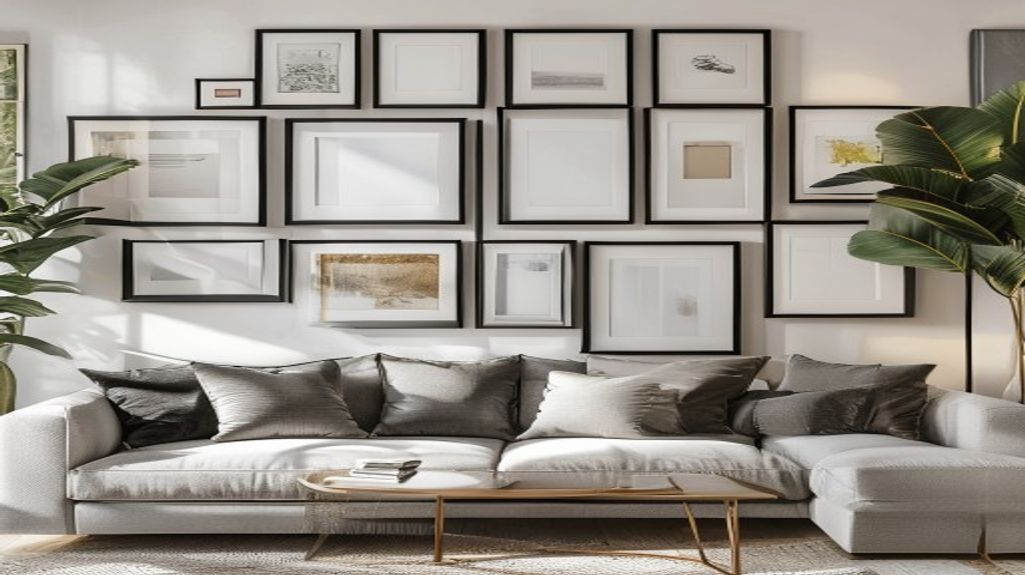
A gallery wall is one of the highest-impact, lowest-cost ways to transform a room — and it's a top request in Tampa homes over sofas, up stairwells, and down hallways. But there's a fine line between a gallery wall that looks intentionally designed and one that looks like frames were nailed up at random. The difference comes down to three things: planning the layout, keeping spacing consistent, and getting everything level.
Here's how to plan and hang a gallery wall that looks like a designer did it — and how to keep it straight and secure on your walls.
Step 1: Plan the Layout Before You Touch the Wall
Never start hanging and figure it out as you go — that's how you end up with a wall full of unnecessary holes. Plan first:
- Lay it out on the floor. Arrange your frames on the floor below the wall and rearrange until the composition feels balanced. Take a photo so you remember it.
- Trace paper templates. Trace each frame onto kraft paper or newspaper, mark where its hook or hardware sits, and tape the templates to the wall with painter's tape. Now you can preview the whole arrangement and adjust before a single hole is drilled.
- Pick a structure. Grid layouts (matching frames, even spacing) feel modern and orderly. Salon-style (mixed sizes around a center anchor piece) feels collected and organic. Choose one and commit — mixing them reads as messy.
- Anchor around a center line. For a wall over a sofa, center the arrangement on the sofa and keep the whole composition within the width of the furniture for balance.
Step 2: Nail the Spacing and Height
- Keep spacing consistent. Two to three inches between frames is the designer standard. Consistent gaps are what make a gallery wall look deliberate — eyeballing it is the most common mistake.
- Hang to eye level. The center of the whole arrangement should sit around 57–60 inches from the floor — the same museum-standard eye level used for single pieces.
- Mind the sofa gap. Over furniture, leave 6–10 inches between the top of the sofa and the bottom row of frames so the art relates to the furniture without crowding it.
Step 3: Hang It Straight and Secure
Most gallery-wall frames are light enough for the right wall anchors, but bigger pieces still need solid anchoring:
- Light frames: a picture hook or a rated drywall anchor is fine. Use two points per frame instead of one — it keeps the frame from tilting every time someone walks by.
- Heavier pieces (large prints, framed canvases, anything 15+ lbs): anchor into a stud, or into concrete block with masonry anchors on Tampa exterior walls.
- Use a level on every frame. The single biggest giveaway of an amateur gallery wall is crooked frames. Level each one, and add a small bumper or a bit of museum putty on the bottom corners so they don't drift out of level over time.
- Work off your paper templates. Drill or nail right through the template at the marked hardware spot, then tear the paper away — perfect placement, no measuring on the wall.
Need to find studs for the heavier pieces? Start here: How to Use a Stud Finder: A Tampa Homeowner's Guide
A Fresh Coat First?
A gallery wall draws the eye straight to the wall behind it — so scuffs, old anchor holes, and tired paint show more than usual. If the wall has seen better days, patching old holes and a fresh coat of paint before you hang is the single biggest upgrade to the finished look. It's a natural pairing many Tampa homeowners do at the same time.
Refreshing the wall first makes a gallery wall pop. See our interior painting work: Interior Painting in Tampa
When to Call a Pro
A small gallery wall is a fun weekend project. Call a handyman when it's a large or complex layout where alignment matters, a stairwell wall (working at angles on stairs is genuinely tricky and a little risky), heavy framed pieces that need stud or block anchoring, or when you want it laid out and hung perfectly the first time with no extra holes. A typical gallery-wall installation in Tampa runs $120–$350 depending on the number of frames and the complexity of the layout.
Frequently asked questions
- How far apart should gallery wall frames be?
- Two to three inches between frames is the designer standard, and keeping that spacing consistent across the whole arrangement is what makes it look intentional rather than random. Use the same gap everywhere — eyeballing different spacings is the most common gallery-wall mistake.
- How do I plan a gallery wall before hanging?
- Lay the frames out on the floor first and rearrange until the composition feels balanced, then trace each frame onto paper, mark the hardware position, and tape the templates to the wall. This lets you preview and adjust the whole layout before drilling a single hole.
- How high should a gallery wall be hung?
- Center the overall arrangement around 57–60 inches from the floor (eye level). Over a sofa or console, leave roughly 6–10 inches between the top of the furniture and the bottom row of frames so the art relates to the furniture without crowding it.
- Do gallery wall frames need to be anchored into studs?
- Light frames are fine on rated picture hooks or drywall anchors — use two points per frame to keep them from tilting. Heavier pieces (large prints or framed canvases over about 15 pounds) should anchor into a stud, or into concrete block with masonry anchors on Tampa exterior walls.
- Does Fenelon Handyman install gallery walls?
- Yes — gallery walls, single statement pieces, heavy mirrors, and stairwell art are all routine for us across Tampa Bay. We lay out the design, keep spacing and levels perfect, and anchor heavier pieces securely. We can also patch and paint the wall first. Call or text (786) 509-5555.
Want a gallery wall that looks professionally designed — laid out and hung level the first time? Call or text (786) 509-5555 for a fast, insured Tampa handyman. Get a free gallery wall estimate.
General Handyman in Tampa, FL
Done-for-you by an insured local crew — free quotes, same-week scheduling.
Need a hand with this in Tampa?
Get a free quote from a 4.8★ local crew. We answer fast and show up on time.
We handle this kind of work across Tampa Bay — including handyman service in Zephyrhills, handyman service in Clearwater, handyman service in St Petersburg and handyman service in New Tampa. See all service areas.