Master drywall repair in Tampa with expert tips on tackling sheetrock damage and ensuring flawless finishes in humid conditions. Discover DIY techniques and when to hire a contractor.
We've all been there: a heavy door swings too wide in a humid room, leaving a gaping hole in the wall. According to local contractors, Tampa's 80%+ humidity fundamentally alters joint compound hydration, making standard package drying times virtually useless. You also have to differentiate between minor cosmetic impact damage and deeper structural settling cracks that can quickly become hidden mold havens.
Effective drywall repair in Tampa requires adapting to this clinging moisture. Whether you're tackling a standard sheetrock repair project or installing moisture-resistant green board in a bathroom, the local climate dictates your approach. Mastering these techniques transforms a frustrating flaw into a seamless finish.
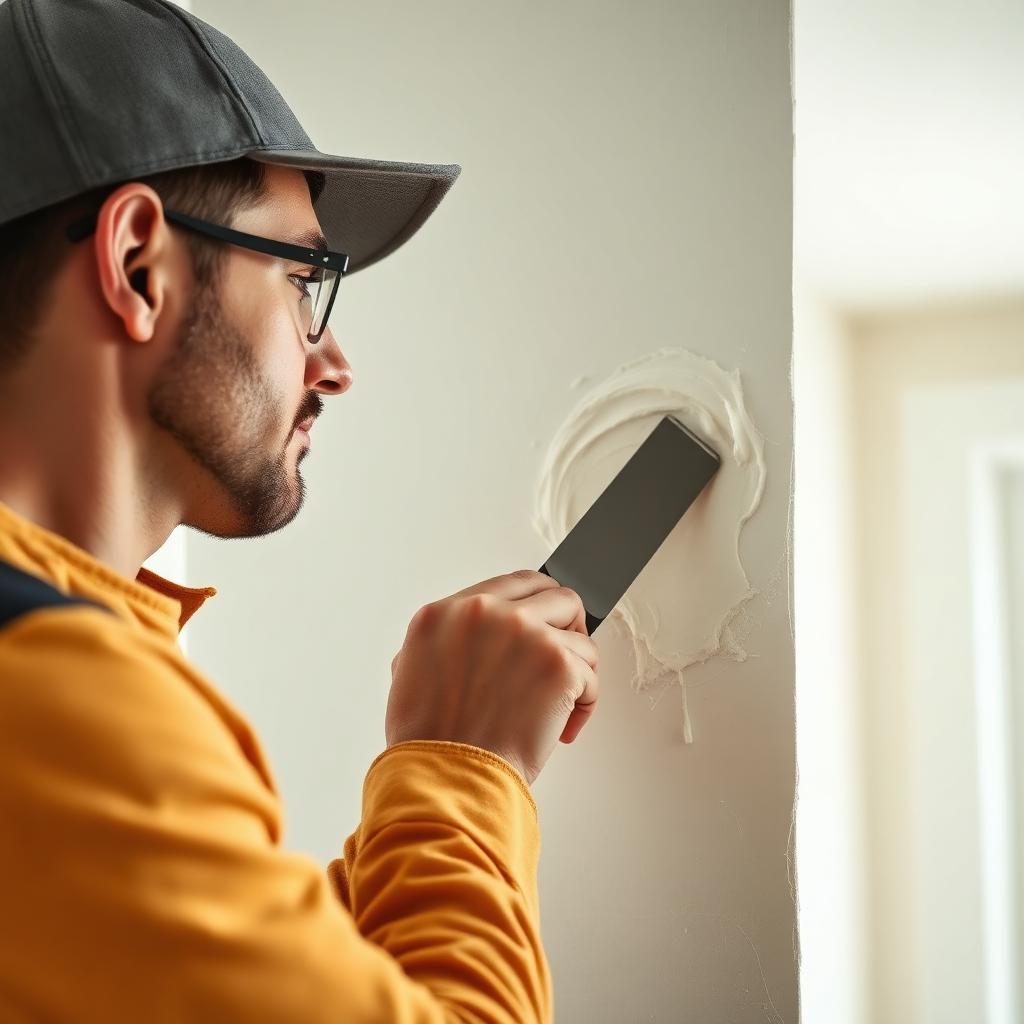
From Doorknob Dents to Furniture Scuffs: The 'Fill & Forget' Guide for Small Holes
A quick DIY drywall patch on small dents saves you from paying professional rates for minor fixes. Skip the heavy joint compounds meant for medium holes and use fast-drying lightweight spackle instead. Here are the 5 essential tools you'll need:
- 4-inch putty knife
- Lightweight spackle
- 220-grit sanding block
- Damp sponge
- Primer
Applying the patch is like frosting a cake. The secret to an invisible repair is 'feathering' — pressing your knife firmly on the outside rim so the mud blends seamlessly into the wall. After it dries (give it extra time in our humid climate), try wet-sanding. Gently rubbing the patched area with a damp sponge instead of sandpaper eliminates 90% of the messy dust while leaving a perfectly smooth finish.
Always seal your finished work with primer to prevent 'paint flashing' — an issue where the porous patch absorbs your topcoat and leaves a dull, noticeable spot. Mastering this basic technique works wonders for dry scuffs, but moisture changes the rules entirely.
Repairing Hurricane or AC Leak Damage: Why Water-Soaked Ceilings Need More Than Just Paint
AC leaks and summer storms often turn solid ceilings into soggy messes. Before attempting any sheetrock repair, perform a structural integrity check. Poke the water stain with a screwdriver; if it crumbles like a wet cracker, it's ruined. Cut out that damaged section entirely to check for hidden mold — fixing water-damaged ceilings in Tampa homes means stopping fungal growth before you seal anything back up.
Replacing that ruined section requires materials built for our climate. Install moisture-resistant green board instead of standard drywall to prevent future sweating. To seal the seams, skip pre-mixed buckets and use a 'setting-type' joint compound powder. Unlike ready-mix mud that dries via evaporation — taking days in high humidity — setting-type compound cures through a fast chemical reaction to create a rock-hard bond.
Achieving a flush ceiling patch against warped edges takes precision. Use the 'Screw-and-Shim' technique by sliding thin wooden strips between the joist and your new panel before driving screws in, adjusting until it sits level. Once this strong, flat patch cures, you'll need to match the surrounding texture.
The Master's Secret to 'Invisible' Repairs: Matching Orange Peel and Knockdown Textures
A perfectly smooth patch is just a blank canvas in most Florida homes. To get a seamless finish on plaster walls or standard drywall, you need to replicate the bumps native to our local architecture. Instead of renting commercial hopper guns, DIYers can achieve a 95% texture match using adjustable aerosol spray cans.
Whether you're tackling orange peel or a knockdown ceiling, avoiding the messy 'blob' effect requires patience. Master the knockdown stroke with these steps:
- Practice on cardboard first.
- Spray in circular motions.
- Wait 5–10 minutes for the texture to set.
- Lightly 'knock down' with a wide knife.
Once everything dries completely, identify the exact sheen needed to blend with existing paint — usually eggshell or satin — so the repair stays hidden under harsh lighting. If matching these finishes feels too frustrating to handle yourself, it's time to weigh professional options.
Hiring a Hillsborough Pro vs. Going DIY: Costs and 'Bad Contractor' Red Flags
Tackling a patch yourself might seem cost-effective, but an exhausting 8-hour DIY struggle often pales compared to a seamless 2-hour professional repair. When pricing larger jobs like popcorn ceiling removal, finding a drywall contractor Tampa residents trust is essential. The top drywall companies in Tampa, Florida protect your home with dustless sanding systems — specialized vacuums attached directly to their tools that capture chalky particles before they cover your living room.
Avoid costly mistakes by watching for these red flags:
- No local Hillsborough County license
- Refusal to use dust containment
- 'Cash only' demands
- Lack of online reviews
Before booking any drywall repair services in Tampa, always verify active credentials through the Florida DBPR website to ensure state compliance.
Your 48-Hour Plan for a Flawless Finish
By applying these techniques to fixing wall cracks, doorknob dents, and water-damaged ceilings, you can erase unexpected damage and restore your home's value one patch at a time. Just remember to follow a realistic two-day schedule to guarantee those crucial, humidity-adjusted drying times between compound coats.
Need a flawless drywall repair in Tampa without the dust and guesswork? Get a free quote from Fenelon Handyman Services.
Frequently asked questions
- How long does drywall compound take to dry in Tampa's humidity?
- Ready-mix joint compound can take 24–48 hours per coat in 80%+ humidity. Switch to a setting-type powder compound (20, 45, or 90-minute) — it cures by chemical reaction instead of evaporation and isn't affected by humidity.
- Should I use green board for bathroom drywall repair?
- Yes. Moisture-resistant green board (or purple board for high-splash areas) handles Tampa humidity far better than standard white drywall and resists mold growth around tubs, showers, and laundry rooms.
- How much does drywall repair cost in Tampa?
- Small patches typically run $150–$350. Ceiling water damage repairs with texture matching usually fall between $400 and $900 depending on size, access, and whether mold remediation is needed.
- Do I need a licensed contractor for drywall repair in Hillsborough County?
- For small cosmetic patches, no. For structural repairs, ceiling replacement, or any work tied to water or mold damage, hire a licensed contractor and verify their credentials on the Florida DBPR website.
Small hole or dent? Step-by-step patch: How to Patch Drywall
Sheetrock vs. drywall — same thing or different? Sheetrock vs. Drywall (Tampa)
Damage from humidity? Tampa-specific drywall tips: Tampa Humidity & Drywall Repair
Drywall Repair in Tampa, FL
Done-for-you by an insured local crew — free quotes, same-week scheduling.
Need a hand with this in Tampa?
Get a free quote from a 4.8★ local crew. We answer fast and show up on time.
We handle this kind of work across Tampa Bay — including handyman service in Thonotosassa, handyman service in Odessa, handyman service in Lakeland and handyman service in Oak Forest. See all service areas.