Waterproof luxury vinyl plank (LVP) is the most popular DIY floor there is. Here's how to install LVP step by step — subfloor prep, layout, click-lock vs. glue-down, expansion gaps, and common mistakes.
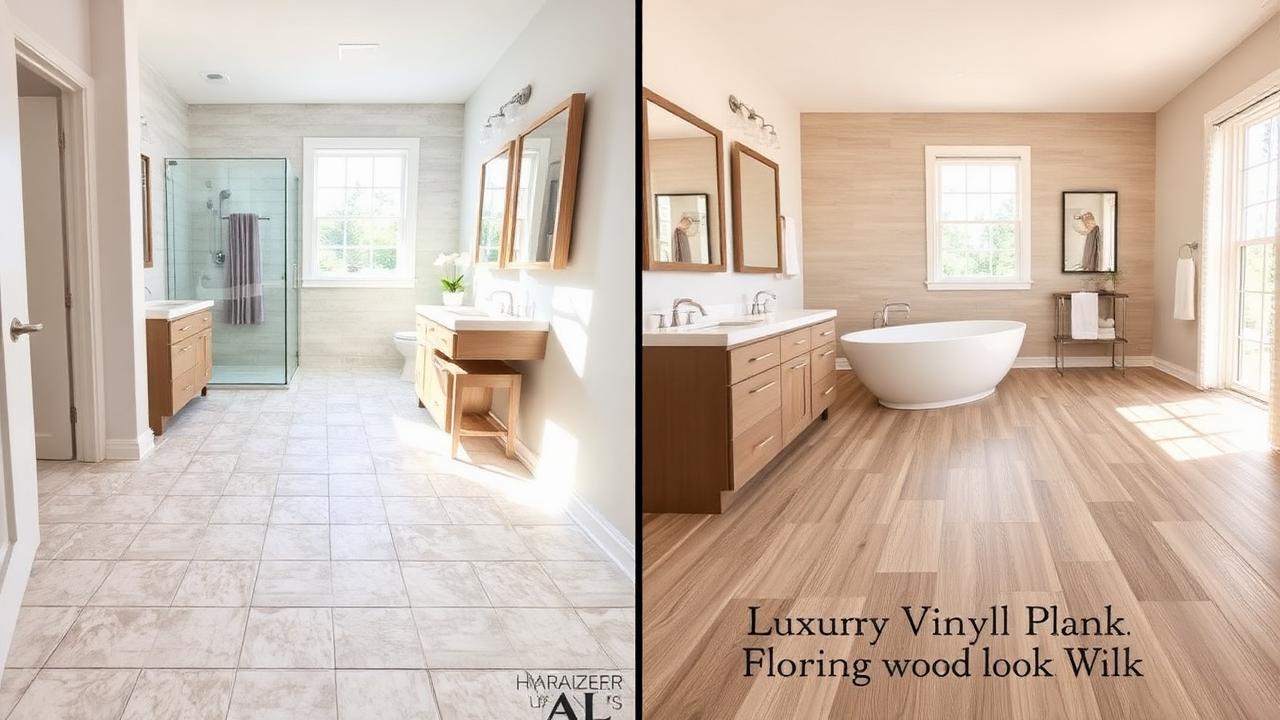
Luxury vinyl plank — LVP — has become the most popular floor in America, and Tampa loves it for one big reason: it's 100% waterproof, which shrugs off Florida humidity, AC condensation, and the occasional spill or leak that would ruin laminate or hardwood. It's also one of the most DIY-friendly floors there is. Most LVP clicks together and floats over the subfloor, so a patient beginner can install a room in a weekend.
Here's the full step-by-step, the difference between click-lock and glue-down, and the prep and layout details that separate a pro-looking floor from a DIY one.
Why LVP Is So Popular (Especially in Florida)
LVP is waterproof, durable enough for pets and heavy traffic, comfortable underfoot, and it looks like wood or stone. In Tampa, the waterproof part is the headline — it's the floor that handles humidity, slab moisture, and the wet-season realities of Florida living without warping. That's why it's our most-requested floor.
Click-Lock vs. Glue-Down
There are two main types. Click-lock (floating) LVP snaps together and rests on the subfloor — the easiest to DIY and the most common. Glue-down LVP is adhered directly to the subfloor — more stable for very large rooms and commercial use, but more work and less forgiving. For most homes, click-lock floating LVP is the right (and far easier) choice.
Prep: Subfloor & Acclimation
- Acclimate the planks flat in the room for 48 hours so they adjust to the home's temperature and humidity — important in Florida.
- The subfloor must be clean, dry, and flat (within about 3/16 inch over 10 feet). LVP is thinner than laminate and telegraphs bumps and dips, so level high and low spots.
- On a Tampa slab, confirm it's dry; quality LVP tolerates moisture far better than laminate, but the subfloor still needs to be sound and flat.
Tools & Materials
- LVP planks (buy ~10% extra), and underlayment if required (some LVP has it pre-attached — don't double up).
- A utility knife (most LVP is score-and-snap — no power saw needed for straight cuts), a tape measure, a square, spacers, a tapping block, and a pull bar.
- Transition strips and quarter-round/baseboard to finish the edges.
Step-by-Step Installation
- Lay underlayment if your LVP needs it (skip if pre-attached).
- Plan the layout so the last row isn't a sliver — measure and adjust the first row width if needed.
- Start along the longest straight wall with spacers holding a 1/4-inch expansion gap.
- Score the planks with a utility knife and snap them for straight cuts; use a jigsaw only for curves and obstacles.
- Stagger end joints at least 6–8 inches row to row for strength and a natural look.
- Click each plank into the last (end, then long side) and snug with the tapping block.
- Undercut door casings and cut around vents and obstacles so planks fit cleanly.
- Use the pull bar for the final plank in each row and the last row, keeping the expansion gap.
- Remove spacers and install transitions and baseboard/quarter-round.
Common Mistakes to Avoid
- Installing over an uneven subfloor — thin LVP shows every imperfection and joints can fail over dips.
- Skipping the expansion gap — even waterproof LVP expands with temperature; leave the gap or it can peak.
- Doubling up underlayment under pre-attached-pad LVP — it makes the floor too soft and stresses the joints.
- Lining up seams or under-staggering — weak and unnatural-looking.
- Not acclimating the planks — can cause gapping or peaking after install.
When to Call a Pro
LVP is very DIY-friendly, but call a pro if: your subfloor needs real leveling, you're doing a large or multi-room job with lots of transitions, you want glue-down for stability, or you just want it done fast and flawless. We install LVP across Tampa Bay every week and handle the subfloor prep that makes a floating floor last.
Wondering what LVP installation costs in Tampa? Here's the breakdown: LVP Flooring Installation Cost in Tampa
Choosing between LVP and tile for a Florida home? Here's the comparison: LVP vs. Tile Flooring in Tampa
Want it installed for you? See our flooring service: Vinyl Plank Flooring Installation in Tampa
Laminate is a close cousin — here's that install: How to Install Laminate Flooring
Tile or vinyl for a Tampa bath or kitchen? Tile vs. Vinyl Flooring (Tampa)
Frequently asked questions
- Is vinyl plank flooring easy to install yourself?
- Yes — click-lock LVP is one of the easiest floors to DIY. It floats over the subfloor, most planks score-and-snap with a utility knife (no power saw needed for straight cuts), and a beginner can do a room in a weekend. A flat subfloor and expansion gaps are the keys.
- Do I need underlayment under LVP?
- Only if it's not pre-attached. Many LVP products have padding built in — if so, don't add more underlayment, which makes the floor too soft and can stress the joints. If your LVP needs underlayment, use the type the manufacturer specifies.
- Can you install LVP over concrete or tile?
- Yes. LVP can go over concrete slab (common in Tampa) and even over existing tile if it's flat and the grout lines aren't too deep. The subfloor must be clean, dry, and flat — LVP is thin and shows imperfections underneath.
- Does LVP need an expansion gap?
- Yes — leave about 1/4 inch at the walls and fixed objects, hidden by baseboard or quarter-round. Even waterproof LVP expands and contracts with temperature, and a floating floor pinned tight can peak. Don't skip it.
- Is LVP good for Florida homes?
- It's arguably the best choice. LVP is 100% waterproof, so it handles Florida humidity, AC condensation, slab moisture, and spills that would ruin laminate or hardwood. It's durable, pet-friendly, and the most-requested floor in the Tampa area.
Want waterproof LVP installed right in your Tampa home? Call or text (786) 509-5555 for a free flooring quote. Get an LVP flooring quote.
Flooring Install & Repair in Tampa, FL
Done-for-you by an insured local crew — free quotes, same-week scheduling.
Need a hand with this in Tampa?
Get a free quote from a 4.8★ local crew. We answer fast and show up on time.
We handle this kind of work across Tampa Bay — including handyman service in Forest Hills, handyman service in Sulphur Springs, handyman service in Riverside Heights and handyman service in Ybor City. See all service areas.