Childproofing installation guide for Florida homes: anchoring furniture and TVs into studs and concrete block, hardware-mounted vs. pressure gates, cabinet latches that survive humidity, slider and lanai locks, pool barrier layers, and blind cord safety.
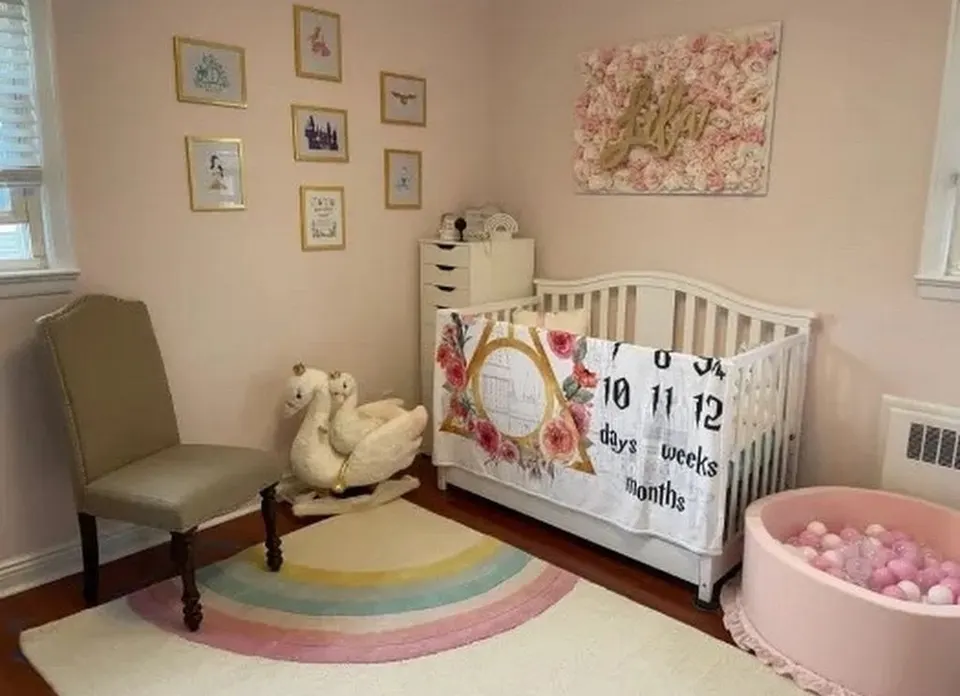
It happens overnight: the baby who stayed where you put them becomes a climber with a research agenda, and every dresser, cabinet, outlet, and sliding door in the house gets re-evaluated as either an obstacle or an opportunity. Childproofing is the project with the best stakes-to-effort ratio in home improvement — a weekend of brackets and latches against the emergency-room visit that never happens.
But the products only work as well as their installation, and this is where good intentions go sideways: pressure gates guarding stairs, anti-tip straps hanging on drywall anchors, adhesive latches peeling off in the humidity. And Tampa adds a layer most childproofing checklists never mention — block walls that eat plastic anchors, sliders in every room, and water on the other side of the door. Here's the list, in priority order.
Anchor the Furniture First
Furniture and TV tip-overs send thousands of children to U.S. emergency rooms every year, and toddlers pulling up or climbing drawers are the classic scenario — which makes anti-tip straps the single highest-priority install in the house. Strap every dresser, bookcase, and cabinet more than two feet tall, and every TV that isn't wall-mounted. The strap is only as strong as what it's screwed to: into a wall stud or solid framing, always — never a plastic drywall anchor, which is rated for picture frames, not a sixty-pound dresser with a climbing toddler on the open drawers. Flat-screens do best mounted to the wall entirely, out of reach and out of the physics.
Finding solid framing behind the drywall is the whole game — here's how to do it reliably: How to use a stud finder
The Tampa Block-Wall Wrinkle
In a typical Tampa block home, interior partition walls are wood or steel studs under drywall — stud-finder territory, business as usual. But the exterior walls (and in many older homes, some interior ones) are concrete block behind furring strips, and there's often no stud where you need one, just an inch of air and then masonry. The answer isn't a bigger drywall anchor; it's a masonry fastener — a Tapcon or sleeve anchor driven into the block itself — which holds tip-over loads all day long. This matters most for the heavy pieces that naturally live against exterior walls: the big bedroom dresser, the media console, the bookcase flanking the slider. If a strap can't reach framing or block, move the furniture or mount a cleat; never let 'the anchor felt tight' be the test.
Bits, anchors, and what's actually inside a Florida block wall — the full drilling guide: How to anchor into concrete block
Gates: Pressure vs. Hardware-Mounted
- Pressure-mounted gates are for doorways and room dividers only — flat floor, low consequence. The friction bar at the bottom is also a trip hazard, which is exactly what you don't want at a stair.
- The top of any staircase gets a hardware-mounted gate, no exceptions: screwed into studs or solid framing, swinging away from the stairs, with no bottom bar to catch a foot.
- Iron railings and newel posts you'd rather not drill take banister-mount kits, which clamp a wooden mounting board to the baluster so the gate screws into that.
- Measure each opening before buying — Florida's wide arched openings and half-walls routinely exceed standard gate widths, and extra-wide or retractable models handle what standard gates can't.
- Test like a toddler: shake it, lean on it, rattle the latch. A gate that gives under adult annoyance will not survive eighteen months of dedicated research.
Kitchens and Bathrooms: Latches That Survive
Cabinet latches come in two families: adhesive-mounted external latches, which are renter-friendly but lose their grip in humid kitchens and bathrooms — precisely the rooms that matter — and screw-mounted or magnetic internal latches, which hold until you remove them. Spend the extra twenty minutes with a drill. Latch every cabinet a crawler can reach in the kitchen and baths, and move the genuinely dangerous inventory — cleaners, dishwasher pods, medications — up high regardless, because latches are a delay, not a vault. Round out the wet rooms with a toilet lock, stove knob covers, and an oven door lock, and dial the water heater to 120 degrees so a curious hand at a faucet can't find scalding water.
Doors, Sliders, and the Lanai
Florida floor plans run on sliding glass doors, and toddlers master a slider handle astonishingly early — then the lanai becomes an unsupervised destination. Give every slider two lines of defense: a security bar or track lock, plus a secondary lock mounted high on the frame where small hands can't reach. Add door alarms or chimes so any opening announces itself. And treat the lanai screen for what it is: a bug barrier, not a child barrier — screen doors push open, screen panels push out, and a screened pool enclosure is not a pool fence. Lever-handle exterior doors get lever locks or covers; the garage door button gets relocated or covered too, since the garage is where the actual hazards live.
Water: The Florida Rule
This is the section that outranks every other in this state: drowning is the leading cause of death for Florida children ages one to four, and it happens fast, silently, and usually during a gap nobody noticed. The defense is layers, so that one failure isn't the whole system. A pool fence with a self-closing, self-latching gate — required with new pools under Florida's Residential Swimming Pool Safety Act, and worth retrofitting on any pool a child can reach. High locks and alarms on every door and slider that opens toward the pool or lanai. Gate latches checked and adjusted so they actually latch, every time, because a pool gate that swings shut but doesn't catch is theater. Empty the kiddie pool and the buckets after use, keep pool toys out of sight of the water so they don't advertise, and never let a screen enclosure stand in for a barrier. Layers, tested monthly, forever.
Cords, Outlets, and the Small Stuff
- Corded blinds are a strangulation hazard hiding in plain sight — go cordless as blinds get replaced, and until then anchor every cord to a wall cleat, up high and taut.
- Outlets: sliding-plate covers beat the little plastic caps, which are removable by exactly the demographic they're aimed at, and then become a choking hazard for an encore.
- Tame the cord nests behind TVs and desks with concealment channels — less to yank, less to chew, less to pull a device down onto a head.
- Corner guards on the coffee-table and hearth edges that sit at exactly toddler-forehead altitude.
- Pinch guards on door hinges, stops on the doors themselves, and a door-top hook or high latch for rooms that should stay off the tour.
- Confirm smoke and CO detectors while the drill is out — childproofing weekend is the natural moment to audit them.
Where those detectors should actually go — placement rules, bedroom coverage, and Florida specifics: Smoke and CO detector placement
When to Call a Pro
- The whole-house anchor day: every dresser, bookcase, and TV strapped into studs or block in one visit — the highest-value two hours in childproofing.
- Stair gates into iron railings, stone half-walls, or anywhere the mounting surface isn't a friendly wooden stud.
- Anything that has to hold force on a block or furred wall, where the right masonry anchor is the difference between installed and decorative.
- Pool gate hinges and latches that need adjustment until self-closing and self-latching actually means both words.
- Grandparent-house packages: childproofing for the visits, grab bars for the residents — one safety walk-through covers three generations.
From Wesley Chapel to St. Petersburg, we've anchored, gated, and latched a lot of Tampa homes ahead of a first birthday — and the install list is always longer than the shopping list suggested.
Frequently asked questions
- What should I childproof first?
- Furniture and TV anchoring — tip-overs are the fastest, quietest serious hazard in the house and the straps are cheap and permanent. In Florida, water security ties for first: locks and alarms on every door to the pool or lanai, and a real pool barrier. Gates, latches, outlets, and cords follow once those two are done.
- Do drywall anchors work for anti-tip furniture straps?
- No. Plastic drywall anchors are rated for static loads like frames and shelves, not for a dresser with a climbing toddler levering it forward. Straps must land in a wood stud, solid framing, or — on Tampa's furred block walls — a masonry anchor like a Tapcon driven into the concrete. If you can't reach structure, relocate the furniture.
- Are pressure-mounted gates safe for stairs?
- Not at the top of stairs, ever — they can dislodge under a leaning child, and the bottom friction bar is itself a trip hazard on the landing. Stair-top gates must be hardware-mounted into studs or solid framing and swing away from the staircase. Save pressure gates for doorways and hallways where a failure means escape, not a fall.
- What does Florida require around swimming pools?
- Florida's Residential Swimming Pool Safety Act requires new pools to have at least one safety layer — most commonly a barrier fence with self-closing, self-latching gates; door alarms and approved covers are alternate options. For a family with toddlers, treat the law as a floor, not a ceiling: fence plus door alarms plus high locks, tested regularly. A screened lanai does not count as a barrier.
- When should I start childproofing?
- Before the baby moves, not after — crawling arrives suddenly, and pulling-up (the tip-over risk window) follows fast. A good rhythm: anchor furniture and secure water access before six months, gates and latches by the time crawling starts, and a get-on-your-knees audit of each room every few months as reach and creativity grow.
One visit, every anchor, gate, latch, and lock installed into the right structure — so the checklist actually holds: Handyman services in Tampa
Baby on the move? Fenelon Handyman Services childproofs homes across Tampa Bay — furniture anchored into studs and block, gates mounted right, and every door to the water locked down. Call (786) 509-5555 for a free quote. Get a free childproofing quote.
General Handyman in Tampa, FL
Done-for-you by an insured local crew — free quotes, same-week scheduling.
Need a hand with this in Tampa?
Get a free quote from a 4.8★ local crew. We answer fast and show up on time.
We handle this kind of work across Tampa Bay — including handyman service in Wesley Chapel, handyman service in Zephyrhills, handyman service in Clearwater and handyman service in St Petersburg. See all service areas.