A do-this-in-order bathroom remodel checklist for Tampa homeowners: scope, permits, lead times, demo, rough-in, waterproofing, tile, fixtures, and inspection.
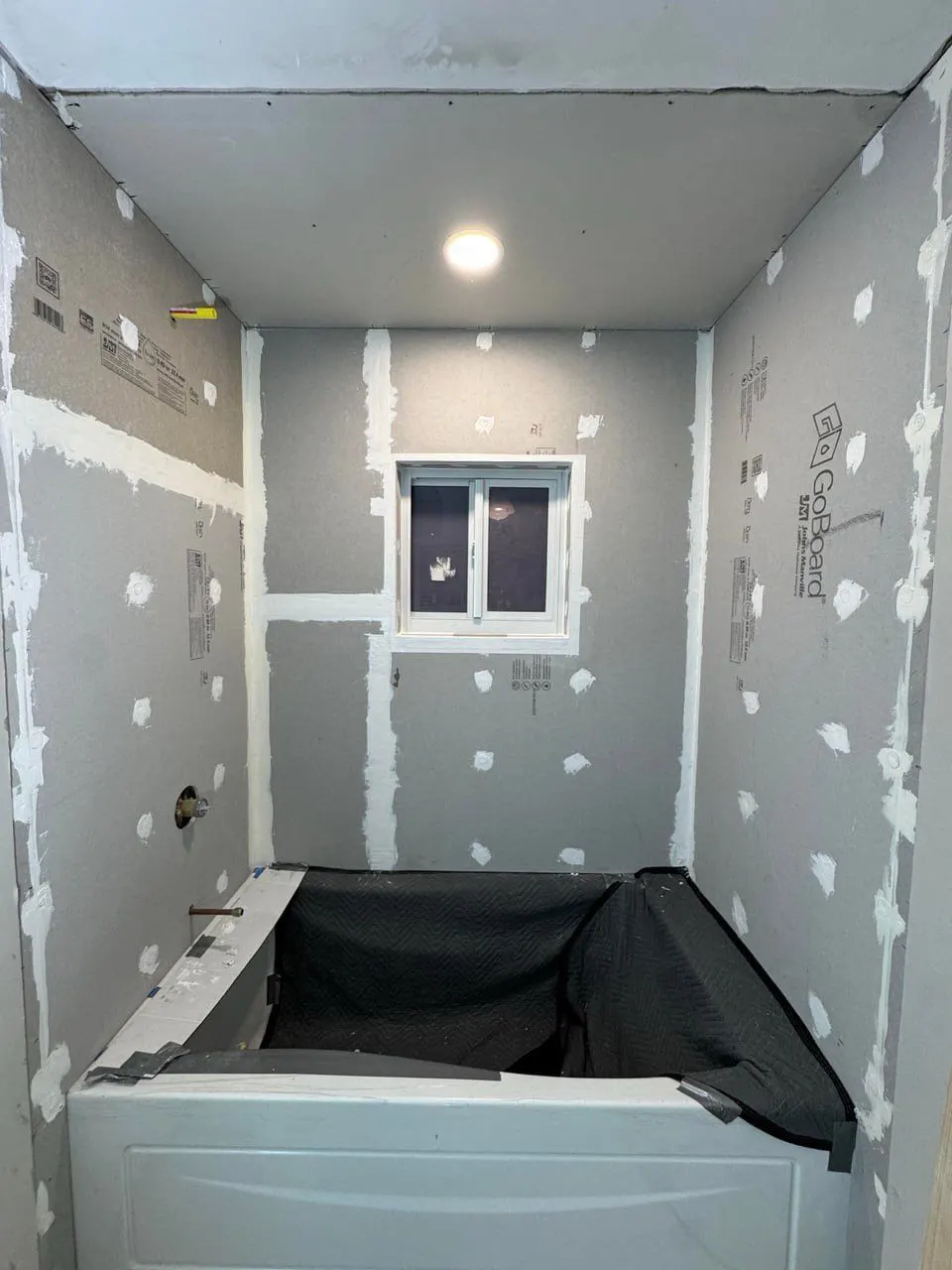
A bathroom remodel is one of the most rewarding projects you can do to a Tampa home, and also one of the easiest to get wrong - not because any single step is hard, but because the steps have to happen in a specific order. Set tile before the backer board is waterproofed and you have buried a future mold problem. Order materials after demo and you sit on a torn-up bathroom for three weeks waiting on a vanity. This checklist walks the whole job in the order a good contractor actually does it, with the Tampa-specific details that matter most: ventilation, waterproofing, and getting your permits and inspections right.
Step 1: Set Your Budget and Scope First
Before you look at a single tile sample, decide what you are actually doing. There is a big difference between a cosmetic refresh (new vanity, paint, fixtures, same layout) and a full gut that moves plumbing. Moving a toilet or shower drain in a Tampa slab-on-grade home means cutting and re-pouring concrete, which adds real cost and time. Pin down your scope, then set a budget with a 10 to 15 percent cushion for the surprises that always hide behind old walls - rotted subfloor, corroded drain lines, or a vent fan that was never ducted to the outside.
- Cosmetic refresh: same footprint, new finishes. Fastest and cheapest.
- Mid-level remodel: new tile, vanity, tub-to-shower conversion, upgraded fan and lighting.
- Full gut: new layout and relocated plumbing. Most expensive, longest timeline, most permits. If your plan involves removing or altering any wall that could be load-bearing, have a structural engineer assess it and pull the required permit before anything comes out.
Step 2: Finalize the Layout and Make Your Decisions
This is the step people rush, and it is the one that derails projects. Lock every decision on paper before any demo starts. Once the walls are open, changing your mind on where the shower valve goes is expensive. Walk through the room and decide exactly where each fixture lands, then make your selections list so you can order on time.
The Decisions Checklist
- Tile: floor tile, wall and shower tile, and the grout and trim pieces. Pick a slip-resistant floor tile - wet feet on glossy porcelain is a real fall risk.
- Vanity: size, single or double sink, and whether it is floor-mounted or floating. Confirm it fits with the door swing.
- Exhaust fan and ventilation: size the fan to the room (a small bath needs roughly 50 CFM, a larger one more) and confirm it ducts to the outside, never into the attic.
- Lighting: vanity lighting, a ceiling fixture, and whether you want a fan-light combo. Damp-rated fixtures over the shower or tub.
- GFCI outlets: code requires GFCI protection on bathroom receptacles. Plan at least one near the vanity.
- Plumbing fixtures: toilet, faucet, shower valve and trim, tub or shower base. Confirm finishes match.
- Accessories: towel bars, robe hooks, mirror, and any grab bars or blocking you want set in the wall now.
On ventilation, do not cut corners. Tampa humidity sits high most of the year, and a bathroom that cannot dry out grows mold on grout, drywall, and the ceiling fast. A properly sized fan ducted through the roof or soffit is not optional here - it is the single best defense your remodel has against the climate.
Step 3: Pull Your Permits
If you are moving plumbing, changing electrical, or doing structural work, the City of Tampa or Hillsborough County will require permits, and the work will be inspected. Pulling a permit is not red tape for its own sake - it is what protects you when you sell the home and a buyer's inspector asks whether that tub-to-shower conversion was done to code. A licensed contractor pulls these for you. If you are tempted to skip permits to save a few days, remember that unpermitted plumbing or electrical work in a wet room is exactly the kind of thing that comes back to bite you.
Step 4: Order Materials Early - Lead Times Are Real
This step lives here on purpose. Order your vanity, tile, shower glass, and any special-order fixtures as soon as your selections are final and permits are in motion - well before demo. Vanities, custom shower doors, and certain tile lines can run weeks out. There is nothing worse than a gutted bathroom sitting idle because one back-ordered part has not shown up. Get everything on site, inspect it for damage and correct quantities, and only then schedule demo.
- Order long-lead items first: vanity, shower glass, specialty tile, freestanding tub.
- Buy about 10 percent extra tile for cuts, breakage, and future repairs.
- Confirm the shower valve and trim are the matching set - they are sold separately and mismatches are common.
Step 5: Demo, Then Rough-In Plumbing and Electrical
Now you tear out. Protect the rest of the house with plastic and floor covering - drywall dust travels everywhere. Remove fixtures, old tile, and the wet drywall or backer board around the tub and shower. This is when hidden problems surface, so look closely: soft subfloor, water-stained framing, or a drain line that has seen better days. In older 1950s to 70s block homes around Seminole Heights and Temple Terrace, it is common to find original cast-iron drains or surprises behind the tile. Better to find them now with the wall open.
With the walls open, the plumber sets the new supply lines, drain locations, and the shower valve at the right height. The electrician runs circuits for lighting, the exhaust fan, and GFCI-protected outlets, and adds any new switches. This is the stage where moving a fixture is still cheap, which is exactly why your layout had to be final back in Step 2. Important safety note: any electrical work means turning off power at the breaker and verifying it is off before touching wires - and in a wet room especially, this is work to leave to a licensed electrician if you are not certain.
Both the rough plumbing and the rough electrical typically get inspected before the walls close up. Do not cover anything until those inspections pass.
Step 6: Backer Board and Waterproofing
This is the step that separates a bathroom that lasts twenty years from one that fails in five. In wet areas, regular drywall is the wrong material - use cement backer board or a foam tile backer rated for wet walls. Then waterproof it. A proper waterproofing membrane, sealed corners, and a correctly built shower pan keep water from ever reaching the framing behind your tile.
In Tampa this matters double. Our humidity means any moisture that gets behind tile does not dry out - it sits and feeds mold. A waterproofed assembly is what keeps the wall cavity dry. Skipping or shortcutting this is the single most expensive mistake in a bathroom remodel, because by the time you see the damage, the tile has to come back off.
Step 7: Set Tile, Then Install Fixtures and Finish
With waterproofing done and verified, the finish work goes in a sensible order. Rushing tile before the membrane is cured, or hanging the vanity before the floor tile is set, creates problems. Here is the back half of the job in sequence:
- 1. Set the wall and shower tile, then the floor tile. Let the thinset cure before grouting.
- 2. Grout, then seal the grout once it has cured. Sealed grout resists staining and holds up better in a humid bathroom.
- 3. Install the vanity, countertop, sink, and faucet.
- 4. Set the toilet on a fresh wax ring, and install the shower or tub fixtures, valve trim, and shower glass.
- 5. Install the exhaust fan and light fixtures, confirming the fan vents to the outside.
- 6. Paint the walls and ceiling with a moisture-resistant bathroom paint that resists mildew.
- 7. Hang accessories - towel bars, mirror, hooks, grab bars - into the blocking you set earlier.
- 8. Caulk every joint where surfaces meet water: tub-to-tile, vanity-to-wall, and around the base of the toilet.
Use the right sealant in the right place: silicone caulk in wet seams (it stays flexible and resists mildew), and grout only where you want a hard fill. Caulking the change-of-plane corners instead of grouting them is what keeps them from cracking as the building moves.
Step 8: Final Inspection and Punch List
If you pulled permits, the final inspection confirms the plumbing and electrical are safe and to code. Once that passes, walk the room with fresh eyes and build a punch list of the small stuff: a caulk line that needs touching up, a drawer that does not close square, paint that needs a second coat, a wobbly towel bar. Run the water, check for leaks under the vanity and around the shower, and confirm the exhaust fan actually pulls air - hold a tissue to the grille and watch it stick. Knock out the punch list and the job is done.
When to Call a Pro vs. DIY
Plenty of a bathroom remodel is DIY-friendly: demo, painting, installing accessories, even setting tile if you are patient and careful. The parts where mistakes are costly or dangerous are where a pro earns their keep.
- Call a pro for: moving plumbing or cutting a slab, any new electrical or panel work, shower pan and waterproofing if you are not confident, removing or altering any wall that could be load-bearing, and any permitted work that gets inspected.
- Reasonable DIY: demo, painting, installing towel bars and a mirror, swapping a faucet or toilet on existing connections, and simple fixture replacements.
- Always leave to a licensed electrician: new circuits, GFCI wiring, and anything where you are unsure whether the power is fully off.
Waterproofing and shower pans are the area most worth handing to someone who does it every week. Get it wrong and the cost of redoing it dwarfs what you saved.
Want the planning side before you start swinging a hammer? Bathroom Remodel Planning Guide for Tampa
Trying to figure out what the whole thing will run you? Tampa Bathroom Remodel Cost Guide
Ready to hand the whole project to a local crew? Tampa Bathroom Remodeling Services
Behind the tile, the board matters as much as the waterproofing — where green board works and where you need cement board: Water-resistant drywall: green board vs. cement board
Put real Tampa numbers next to each checklist item — costs organized by how much of the room you are touching: Bathroom renovation cost in Tampa by scope
Frequently asked questions
- What order should a bathroom remodel be done in?
- Set budget and scope, finalize layout and selections, pull permits, order materials early, demo, rough-in plumbing and electrical, install backer board and waterproofing, set tile, install vanity and fixtures, paint, add accessories and caulk, then pass final inspection and finish the punch list. Doing waterproofing before tile and ordering long-lead items before demo are the two sequence rules that save the most headaches.
- Do I need a permit to remodel a bathroom in Tampa?
- If you are moving plumbing, changing electrical, or doing structural work, yes - the City of Tampa or Hillsborough County requires a permit and the work is inspected. A purely cosmetic refresh that does not touch plumbing or wiring usually does not. When in doubt, call the building department or have your contractor confirm before work starts.
- Why is ventilation so important in a Tampa bathroom remodel?
- Tampa Bay humidity stays high most of the year, so a bathroom that cannot dry out quickly grows mold and mildew on grout, drywall, and the ceiling. A properly sized exhaust fan ducted to the outside - not into the attic - pulls that moisture out after every shower. It is the single most effective thing you can install to protect your new bathroom from the climate.
- Can I tile over drywall in a shower?
- No. Regular drywall is not made for wet areas and will eventually fail behind the tile. Use cement backer board or a foam tile backer rated for wet walls, then apply a waterproofing membrane before tiling. In Tampa's humidity this is non-negotiable, because any moisture that gets behind the tile will not dry out on its own.
- How long does a bathroom remodel take?
- A straightforward remodel usually runs a few weeks once demo starts, but timelines stretch when plumbing is relocated, inspections are scheduled, or materials are back-ordered. The biggest delays come from ordering the vanity, tile, or shower glass too late. Order long-lead items before demo and you keep the project moving instead of stalled in a torn-up bathroom.
Planning a bathroom remodel in Tampa Bay and want it done in the right order the first time? Call Fenelon Handyman Services at (786) 509-5555 for a free, no-pressure quote. Get a free quote.
Bathroom Remodeling in Tampa, FL
Done-for-you by an insured local crew — free quotes, same-week scheduling.
Need a hand with this in Tampa?
Get a free quote from a 4.8★ local crew. We answer fast and show up on time.
We handle this kind of work across Tampa Bay — including handyman service in Oldsmar, handyman service in Safety Harbor, handyman service in Largo and handyman service in Bloomingdale. See all service areas.