How to remove wallpaper the right way — identifying your type, scoring and soaking or steaming, scraping, and (the step most people skip) removing every bit of paste before you paint.
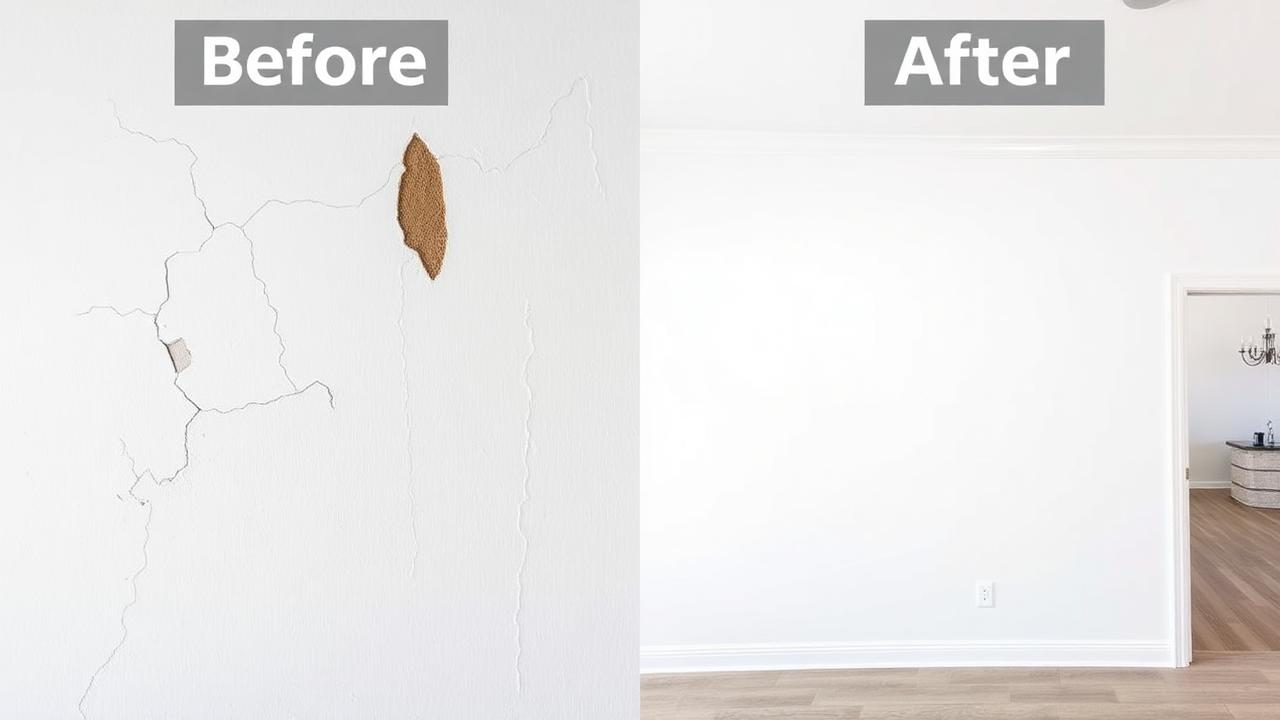
Removing old wallpaper is one of those jobs that's not hard, just tedious — and doing it right is what determines whether the painted (or re-papered) wall underneath looks smooth or a mess. The single most-skipped step is removing the leftover paste, which has to come off completely or it'll show through paint and cause peeling. Here's the full process.
Step 1: Identify Your Wallpaper
Try to peel a corner. If the whole sheet pulls away cleanly (with a dry, vinyl, or 'strippable' paper), you may be able to dry-strip most of it — then just deal with the paste. If it tears and leaves backing, it's traditional paper that needs soaking or steaming. Knowing which you have tells you how much work it'll be.
Step 2: Prep the Room
- Move furniture out and lay down drop cloths — this is a wet, messy job.
- Turn off power to the room's outlets and switches and tape over them (water and electricity don't mix).
- Have your tools ready: a scoring tool, a wallpaper removal solution or a steamer, a wide putty knife/scraper, a sponge, and a spray bottle or bucket.
Step 3: Score the Wallpaper
Run a scoring tool (a small tool with cutting wheels) over the wallpaper in circles. This perforates the surface so your soaking solution or steam can penetrate to the paste behind it. Don't press so hard you gouge the drywall — light, even pressure.
Step 4: Soak or Steam
Saturate the scored wallpaper with a wallpaper-removal solution (or warm water with a little fabric softener or vinegar), working in sections, and let it soak in for 10–15 minutes to dissolve the paste. For stubborn or multiple layers, a wallpaper steamer works faster — hold the plate to the wall to loosen the paper. Keep the area wet; dry paper won't scrape cleanly.
Step 5: Scrape It Off
Starting at a seam or corner, use a wide putty knife or scraper to lift and peel the softened wallpaper. Work at a low angle so you don't dig into the drywall. Re-wet any sections that dried out. Take your time — patience here means a cleaner wall and less repair afterward.
Step 6: Remove ALL the Paste (Don't Skip This)
This is the step that makes or breaks the result. After the paper's off, the wall is still coated in glue residue. Wash the entire wall with warm water (and a little fabric softener or a paste remover) and a sponge until it's no longer slick or tacky — run your hand over it; it should feel clean, not sticky. Paint or new paper applied over leftover paste will bubble, streak, and peel.
Step 7: Repair and Prime Before Painting
Once the wall is clean and fully dry, patch any gouges or torn drywall paper, sand smooth, and prime before painting. Priming seals the surface and gives the new paint a uniform base — especially important if any faint paste residue or wall damage remains.
When to Call a Pro
Wallpaper removal is doable but time-consuming, and call a pro when: there are multiple layers, the paper was applied directly over unprimed drywall (it can tear the drywall's paper face and require skim-coating), the walls are damaged underneath, or you just want it done quickly and painted in one project. We remove wallpaper and repaint across Tampa Bay.
Repainting after? Here's how interior painting is priced in Tampa: Interior Painting Cost in Tampa
Want it removed and repainted by a pro? See our service: Interior Painting Services in Tampa
Patching the drywall after stripping? Here's the right method: How to Patch Drywall
Picking the new paint? Start here for Florida humidity: Best Interior Paint for Florida
Doing the kitchen at the same time? Paint vs. replace cabinets: Cabinet Painting vs. Replacing in Tampa
Frequently asked questions
- What's the easiest way to remove wallpaper?
- Score the paper, saturate it with a removal solution (or warm water with fabric softener) and let it soak 10–15 minutes, then scrape it off with a wide putty knife. A wallpaper steamer speeds up stubborn or multi-layer jobs. Then wash off all the leftover paste.
- Do I have to remove all the wallpaper paste before painting?
- Yes — completely. Leftover paste is slick and will cause new paint or wallpaper to bubble, streak, and peel. Wash the wall until it no longer feels tacky, let it dry, then prime before painting. This is the most-skipped and most-important step.
- Can you paint over wallpaper instead of removing it?
- It's possible in a pinch (prime first), but it's not recommended — seams and texture show through, and any loosening paper takes the paint with it. Removing the wallpaper and prepping the wall gives a far better, longer-lasting result.
- How do I remove wallpaper without damaging the drywall?
- Score lightly (don't gouge), keep the paper well-soaked so it releases easily, and scrape at a low angle. The biggest risk is wallpaper applied over unprimed drywall, which can tear the drywall's paper face — those walls often need skim-coating after, so go gently or call a pro.
- How long does it take to remove wallpaper?
- It varies a lot — a small room can take a few hours; a large or multi-layer room can take a full day or more. The soaking and paste-removal steps are what take the time, and rushing them leads to a worse result.
Wallpaper to remove and walls to repaint? Get it done right in Tampa — call or text (786) 509-5555. Get a painting quote.
Interior Painting in Tampa, FL
Done-for-you by an insured local crew — free quotes, same-week scheduling.
Need a hand with this in Tampa?
Get a free quote from a 4.8★ local crew. We answer fast and show up on time.
We handle this kind of work across Tampa Bay — including handyman service in Lutz, handyman service in Town 'N' Country, handyman service in Westchase and handyman service in Riverview. See all service areas.